
Tin tức
Gamblers Fallacy Explained With Examples and the Reality of Odds
The late arvo session at a Melbourne club always smells the same, like hot carpet and stale coffee, with the pokies chiming in a rhythm that convinces half the room the next spin is due. I have spent years moving wagering products from whiteboard to production, and that instinct is the one pattern I keep designing around because it is the most expensive illusion in the building. The machine noise feels persuasive, but probability does not keep a ledger of what just happened. When you want a clearer read on how these odds actually behave, you can check luxonpaycasino.net for the basic mechanics that sit underneath the floor. The crowd leans in anyway, convinced the next card or reel is owed to them.
How the Fallacy Tricks the Eye
The core error is simple enough to spot once you slow it down, yet it keeps resurfacing on every floor I have ever audited. People treat independent events like a balancing scale, assuming a run of reds must soon be offset by blacks, or that a slot that has not paid in an hour is overdue. That reasoning sounds fair because it mirrors how we expect the world to even out, but each spin, deal, or dice throw resets the maths without memory. In product terms, I have watched stakeholder decks get rewritten around this assumption, with teams promising near-miss patterns will smooth out short-term variance. They do not. The random number generator does not care that the last five results favoured one side, and any interface that suggests otherwise is selling a feeling rather than a function. You can build a polished lobby, tune the animation timing, and still land on the same truth: the next outcome is not paying back a debt.
Where the Pattern Shows Up on the Floor
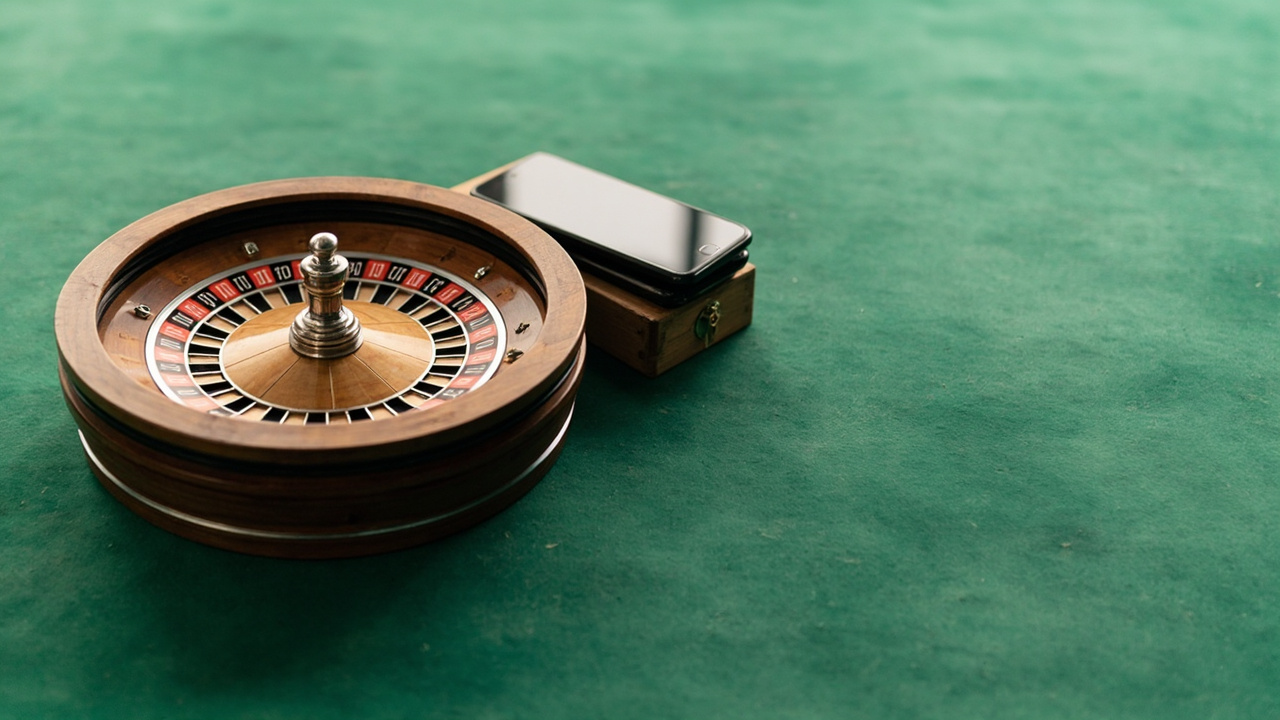
You see the same logic leak into real wagering decisions, especially around table games and fixed-odds markets. A punter watches a roulette wheel settle on black four times and starts shifting chips toward red, convinced the streak has to break. Others treat a sports line like a clock, assuming a team that has covered twice is due to miss the spread next time. The number 7 became a classic slot symbol associated with luck and jackpots, which is exactly the kind of cultural shorthand that keeps the fallacy alive, because a symbol can feel loaded even when the reel strips are not. I have also seen bettors misread a “push” that refunds a handicap bet that lands exactly on the line as proof the market is rigged to balance out later, when it is just the bookmaker’s edge sitting quietly on a tied result. The pattern is not malicious, but it is expensive when it drives stake sizing.
Why Product Design Keeps Feeding It
From a delivery standpoint, the tricky part is that some of the same design instincts that make a product feel responsive also make the fallacy harder to ignore. Fast load times, crisp animations, and a lobby that renders cleanly on a phone all lower friction, which is good for usability but also keeps people in the seat longer. Ruby Martin, Payments Strategy Director, Koala Digital Group, has pointed out that when deposit and withdrawal flows are tidy, players tend to treat their balance as more fluid than it really is, and that fluency can quietly reinforce the idea that a corrective win is just one more transaction away. I have sat through agile reviews where the team wanted to celebrate a smooth mobile checkout as a conversion win, and I had to flag that the same smoothness can make a losing session feel shorter than it is. Good product sense means measuring engagement without pretending the odds have changed.
| Design cue | What it feels like | What the maths actually does |
|---|---|---|
| Near-miss reels | Almost won, next spin is closer | Each spin is independent, no memory |
| Balanced table streaks | Red and black should swap soon | Every spin resets, no correction owed |
| Tidy mobile payments | Money feels easy to move | Balance moves faster, odds stay fixed |
| Push on a handicap line | Market is evening out | Result is tied, no future debt created |
How to Read the Room and Keep It Real
The practical fix is not a lecture, it is a habit. Treat each event as a fresh draw, set a session limit before you sit down, and watch for the moment your reasoning shifts from what the market is offering to what you feel it owes you. Claire Turner, Strategy Director, Southern Reef Gaming, has cautioned that responsible messaging works best when it is specific to the game mechanics in front of the player, because vague warnings get tuned out while a clear note on independent outcomes actually lands. I have seen that play out in Melbourne venues where the signage is plain and the staff do not hype near misses, and the floor feels calmer for it. No offshore casino play is licensed or regulated in Australia, so the safest assumption is that the maths on the screen is the only promise you have, and the rest is atmosphere. Keep your stake sized to the evening, not to the streak.
If you want to keep the fallacy from steering your stake, the move is to separate the feeling of a run from the reality of the odds, then play within the limits you set before the first card drops. The floor will keep chiming, the reels will keep spinning, and the maths will keep ignoring your timeline, so the only edge that actually holds up is the one you bring in as discipline.